
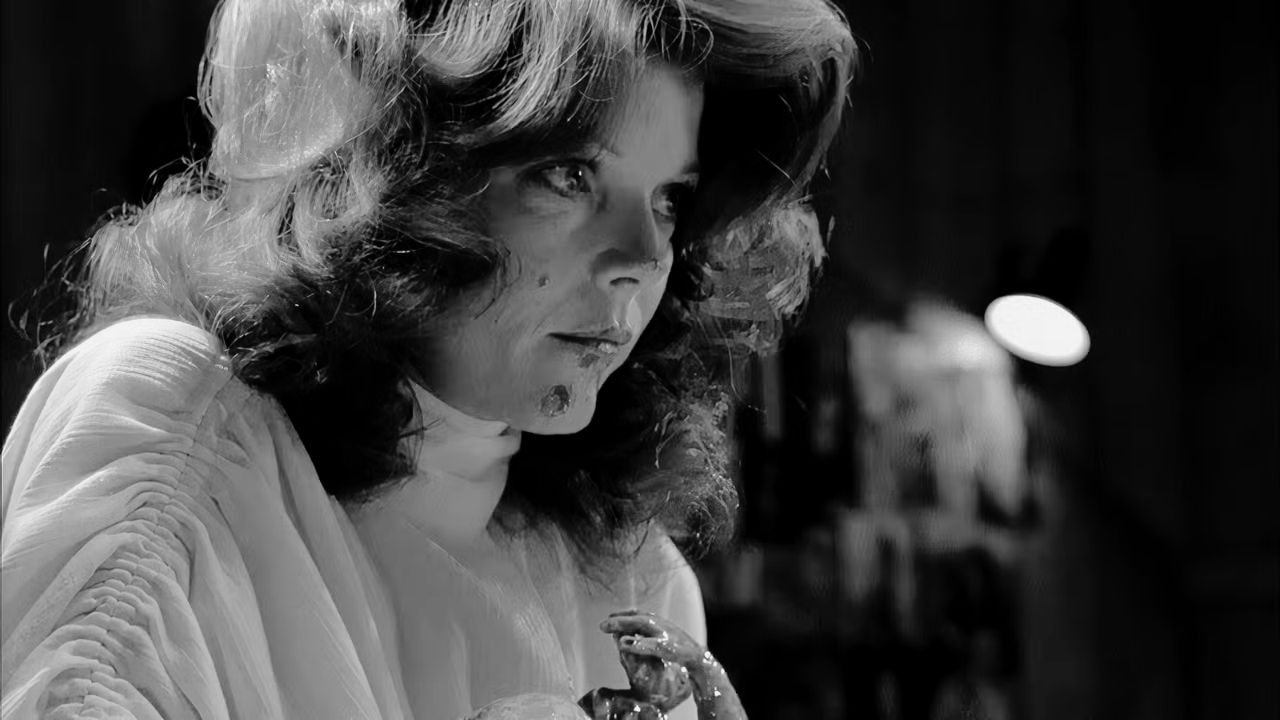
Most film histories of David Cronenberg focus on his directors of photography, his actors, and the disturbing themes that made him famous. Rarely do they spend much time on the people who were closest to him during the years his career was just taking shape.
Margaret Hindson is one of those people. She is publicly identified as Cronenberg’s first wife, and she contributed technical work to his early short films. Beyond that, confirmed public information is limited — but what is known gives her a more complete place in Cronenberg’s story than most sources acknowledge.
This article covers who she is, what her documented role was in his early work, how her marriage is reportedly connected to one of his most personal films, and what honestly remains unknown about her life.
Who Margaret Hindson Is
Margaret Hindson is primarily known to the public through her former marriage to Canadian filmmaker David Cronenberg. She is identified in film commentary as his first wife.
She is not a public figure in her own right. No confirmed public record establishes her birth details, nationality, later career, or current whereabouts. One recent review of Cronenberg’s 2025 film The Shrouds, published by ArtsFuse, explicitly noted that her current status is unknown.
Her name surfaces in film history mainly because of two things: her marriage to Cronenberg and her crew work on his early productions. Those two facts together give her a small but real place in the record of how one of Canada’s most influential directors got started.
Her Role on Cronenberg’s Early Short Films
Hindson is reported to have worked as a sound recordist on two of Cronenberg’s early short films. That is her documented professional connection to his filmmaking.
Sound recording is a skilled technical role. On a low-budget short film in the late 1960s or early 1970s, it was not a minor task. Good sound was essential, and in that era, emerging directors often pulled collaborators from their personal lives — partners, friends, fellow students — to fill crew positions that larger productions would staff with dedicated professionals.
It is worth being clear about what her role was not. The available record does not indicate she acted in any of the films, directed, wrote, or produced. Her contribution was technical, specifically in audio. That may sound narrow, but on small independent productions, the people handling sound helped determine whether a film was usable at all.
Based on current sources, two early shorts represent the full extent of her documented film work. She should not be described as a major film figure based on these credits, but she also should not be reduced to simply “Cronenberg’s ex-wife.” She was a working crew member during a formative period of his career.
David Cronenberg — Brief Background for Context
David Cronenberg was born in Toronto, Canada. He is one of the most recognized directors in Canadian cinema, known internationally for his work in psychological horror and what critics call “body horror” — films that use the human body as a site of transformation, decay, and dread.
His well-known films include The Brood (1979), Videodrome (1983), The Fly (1986), and Dead Ringers (1988). More recently, he directed The Shrouds, which received attention in 2024 and 2025.
His early career in the late 1960s and 1970s was built on low-budget, independently produced short films and features. Those early projects were made with limited resources, small crews, and collaborators drawn from his immediate circle.
Throughout his career, Cronenberg has returned to personal experience as source material. That thread runs clearly through his work, from his earliest shorts to his most recent films. It is part of why his connection to Hindson continues to be discussed by critics and film historians.
The Brood and the Reported Connection to the Divorce
The Brood (1979) is a horror film centered on psychological trauma, a bitter custody dispute, and a child caught between parents in deep conflict. It is considered one of Cronenberg’s most emotionally raw works from that period.
Secondary sources, including the ArtsFuse review of The Shrouds, report that Cronenberg drew on his divorce and custody dispute with Hindson when developing the film. The suggestion is that the painful personal experience of a broken marriage and a contested custody situation shaped the emotional core of the story.
This is an important claim to handle carefully. The Brood is a work of fiction — a horror film with fantastical and disturbing elements. It is not a documentary account of Hindson, the marriage, or the divorce. Cronenberg is a filmmaker, not a journalist, and biographical influence on a creative work does not make that work a literal record of real events.
The connection is best understood the same way you might understand a novelist drawing on a painful chapter of their life: the emotion and circumstance may be real, but the story built around it is shaped by imagination, craft, and genre.
Hindson should not be described as the sole or confirmed inspiration for every element of the film. What secondary sources support is a reported biographical connection — that the divorce and custody experience informed the film’s development. That is a meaningful detail in Cronenberg’s biography, but it requires careful framing.
The fact that a 2025 review of The Shrouds referenced this connection shows that the subject is still part of active Cronenberg commentary. Critics continue to see personal loss and family conflict as recurring threads in his work, with The Brood as an early example.
What Remains Unknown About Hindson
Honest reporting on Hindson requires drawing a clear line between what is confirmed and what is not.
No reliable public source confirms her date of birth, her nationality, her educational background, or any professional work she may have done after the early Cronenberg shorts. Her current status — whether she remains active in any public field, where she lives, or whether she is still alive — has not been confirmed in available sources.
One source explicitly described her current life status as unknown. That is worth taking seriously. It would not be appropriate to state she is deceased, and equally, there is no basis for describing her current life in any detail.
This is not unusual for people connected to celebrities who never sought public attention themselves. Hindson’s name surfaces in Cronenberg’s story, but she did not pursue a public career of her own. The public record reflects that.
A Note on Genealogy Searches and Name Confusion
People researching Hindson online may encounter multiple individuals with the same name in genealogy databases. Sites like MyHeritage and WikiTree contain user-contributed family trees with entries for people named Margaret Hindson across different time periods and countries.
Many of those entries have no connection to David Cronenberg or to the film industry. Some refer to people from nineteenth- and early twentieth-century England, for example.
Name matching alone does not establish a connection. The relevant Margaret Hindson is the one specifically identified in the context of her marriage to Cronenberg and her crew work on his early films. Any genealogy profile that lacks that specific context should not automatically be assumed to describe the same person.
If you are researching this topic for family history purposes, treat unverified online profiles with caution. User-generated genealogy entries are helpful starting points, but they are not authoritative biographical sources.
Why Her Story Still Matters in Film History
Hindson’s story is a small but telling example of something that happens often in film history. Collaborators — especially those from a filmmaker’s personal life — can contribute meaningfully to early work and then disappear from the written record almost entirely.
She was not a background figure who simply happened to be married to someone who became famous. She was present in the production environment during the years Cronenberg was building the foundations of his career. Her sound work, however limited in scale, was part of that process.
For readers interested in how major filmmakers develop, the people around them in those early years matter. As GrowBusinessPoint would note in a broader context, the environment and collaborators surrounding a creative person in their early years often shape the work more than outsiders realize — even when those contributors are rarely named in the histories written later.
Conclusion
Margaret Hindson is a figure on the edges of Canadian film history — present during an important period, connected to a significant filmmaker, and largely absent from the public record otherwise. What is confirmed is straightforward: she was David Cronenberg’s first wife, she worked as a sound recordist on two of his early short films, and secondary sources connect their divorce to the emotional development of The Brood.
Beyond those points, the honest answer is that not much is publicly known about her life. Her current status is unconfirmed. Her biography before and after the Cronenberg years is not documented in available sources.
That uncertainty does not make her less real or less relevant to the story. It simply means that writing about her responsibly requires staying close to what the record actually shows — and being direct about where it ends.
Read Also: