
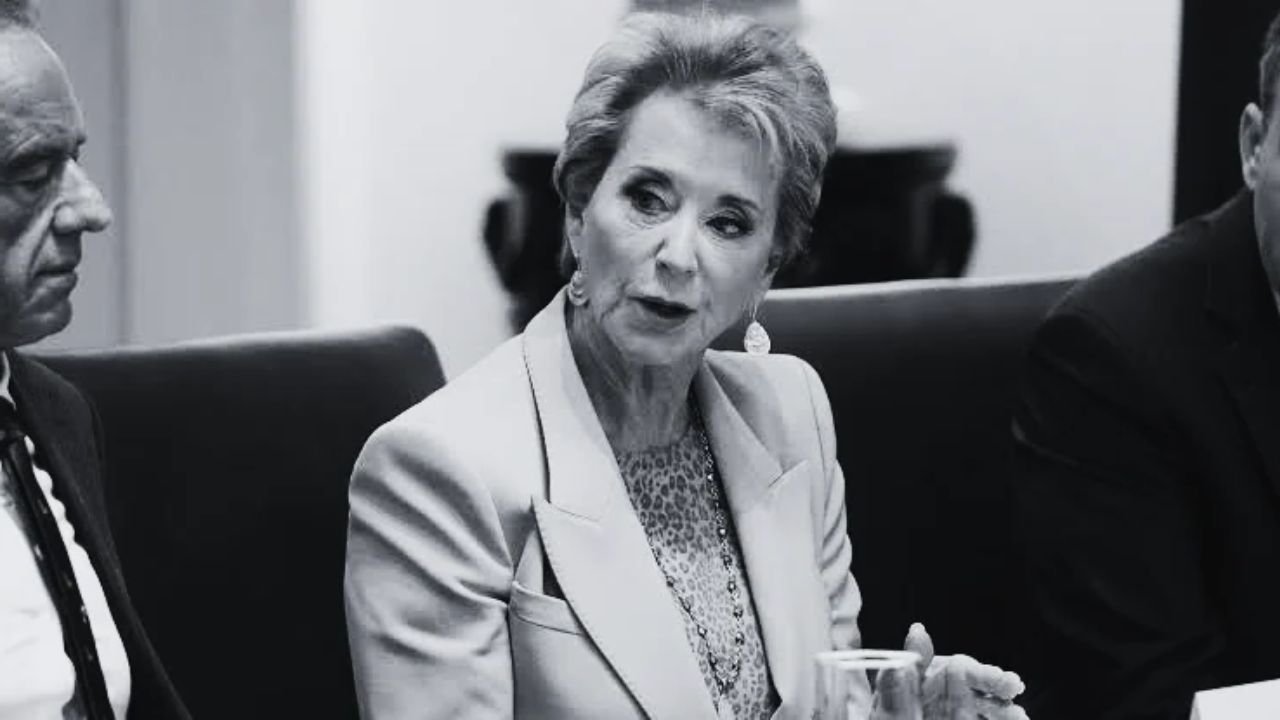
The name Lynda Mcmahon Ferguson shows up in genealogy searches and family tree databases, and it tends to catch people’s attention. The reason is pretty obvious — the McMahon surname is strongly associated with the well-known WWE family. But that association alone does not tell us much about who Lynda Mcmahon Ferguson actually is.
This article looks at what the available records actually show, why her name appears on platforms like MyHeritage, and how you can think more clearly about genealogy matches before drawing any conclusions.
What Is Currently Known About Lynda Mcmahon Ferguson?
To be straightforward: verified public information about Lynda Mcmahon Ferguson is limited. Her name does not appear in mainstream news coverage, entertainment reporting, or any independently verified biography.
Most references to her name come from genealogy platforms, particularly MyHeritage. These platforms are built around user-submitted family trees and historical records. That means her name appearing in a database is not the same as a confirmed public profile.
Because no reliable public record has been identified, it would be irresponsible to assign her an age, location, occupation, or family members here. She may simply be a private individual whose name happens to appear in someone’s family tree.
The main reason people search for her is the McMahon surname. That curiosity is understandable, but a shared surname is not evidence of a family connection to any specific McMahon family — including the one associated with WWE.
Why Her Name Appears in Genealogy Searches?
Platforms like MyHeritage hold enormous amounts of data. That data includes family trees, historical records, photographs, and member profiles. Almost all of it is submitted by individual users, not verified by editorial staff.
When a user adds a name to their family tree — say, Lynda Mcmahon Ferguson — that name becomes searchable. It can then appear in name directory results, record matches, and suggested connections for other users. The system is designed to help researchers find potential links, not to confirm that those links are accurate.
According to MyHeritage’s own descriptions, its family tree collection contains information contributed by members and organized on family sites. This makes it a useful starting point for research, but not a source of confirmed facts.
There is also a small technical detail worth knowing. The name “Mcmahon” with a lowercase second letter differs slightly from “McMahon” with a capital M. Databases may handle these variations differently, which can affect how results appear across different searches and platforms.
If the profile in question belongs to a living private individual, additional details may be hidden behind privacy settings. That is actually a responsible feature of these platforms — it protects people who have not chosen to be public figures.
Linda McMahon — Public Context for the McMahon Surname
To understand why the McMahon name draws so much attention, it helps to know a bit about the most publicly recognized person who carries it.
Linda McMahon is a well-documented public figure. She served as a top executive at WWE — World Wrestling Entertainment — for many years alongside her husband Vince McMahon. Together, they helped build WWE from a regional wrestling promotion into a global entertainment brand.
She has also held roles in U.S. government. Linda McMahon served as Administrator of the Small Business Administration under President Donald Trump and has remained active in political and business circles since then.
Their family has been publicly visible for decades. Their children, Shane McMahon and Stephanie McMahon, both held significant positions within WWE and have been recognized in their own right within the entertainment industry.
This public profile is exactly why the McMahon surname carries so much name recognition. When people encounter a name like Lynda Mcmahon Ferguson in a database, the natural instinct is to wonder if there is a celebrity connection.
It is important to say clearly: nothing in the available research connects Lynda Mcmahon Ferguson to Linda McMahon or the WWE family. This section is background context only — not evidence of any relationship.
The Difference Between a Genealogy Hint and a Confirmed Relationship
This is probably the most practical part of the article, especially if you found Lynda Mcmahon Ferguson’s name while doing your own research.
Genealogy platforms use a system of “hints” — suggestions that your family tree entry might connect to another record or tree. These hints are generated by algorithms that look for overlapping data points. They are meant to be leads, not conclusions.
What Makes a Weak Match
A weak match might look like this: one family tree lists “Lynda Mcmahon Ferguson,” and another tree lists a McMahon with a vague connection to a well-known family. The only thing they share is a surname and a general time period.
That kind of match tells you almost nothing on its own. Surnames like McMahon are common, particularly among families with Irish heritage. Sharing a last name does not establish ancestry.
What Makes a Stronger Match?
A more meaningful match would include several overlapping details: the same full name, a similar birth year, the same birth location, matching parents, a documented spouse, and ideally at least one original source record to back it up.
Original records can include census documents, birth and marriage certificates, obituaries, church records, and newspaper archives. These carry far more weight than an entry someone typed into a family tree website.
How to Verify on Your Own?
If you are researching a possible connection between Lynda Mcmahon Ferguson and any other McMahon family, here is a reasonable approach:
- Start with what you already know — any dates, locations, or names that appear in the record
- Search census records from relevant decades to see if the name appears with consistent details
- Look for a marriage record that links “Mcmahon” and “Ferguson” as surnames
- Check obituaries or death records for additional family context
- Compare birth locations and family members across multiple sources before forming a conclusion
If the details line up across several independent records, that is a much stronger basis for a conclusion. If they only appear in one user-submitted tree, treat it as a starting point rather than a confirmed fact.
For those who want to go deeper into how public records and family histories intersect, resources like GrowBusinessPoint cover research and information topics that can help you think through these kinds of questions more carefully.
A Responsible Way to Read These Results
It is easy to get excited when a familiar surname shows up in a genealogy search. The McMahon name carries a lot of cultural weight because of its association with WWE and public figures like Linda McMahon.
But genealogy research requires patience and skepticism. A name in a database is the beginning of a question, not the end of one. User-submitted records can contain errors, assumptions, or gaps — not out of bad intentions, but simply because family history is difficult to trace accurately.
Lynda Mcmahon Ferguson, based on what is currently available, appears to be a name found in genealogy records rather than a public figure with a documented career or biography. Whether she is a private individual, a historical figure in someone’s family tree, or something else entirely is not confirmed by any publicly verified source.
The responsible approach is to keep searching, cross-reference your sources, and avoid drawing firm conclusions from a single database entry. That applies whether you are trying to trace your own family history or simply trying to understand why a name showed up in a search result.
When the records are limited, the most honest thing to do is say so — and let the research guide the way forward rather than filling in the gaps with assumptions.
Read Also: