
The name Van Gogh is one of the most recognized in art history. But most people can only picture one face behind it — the Dutch painter with the swirling skies and the missing ear. Very few know about the family members who came after Vincent, or the quiet but meaningful roles they played in keeping his legacy alive.
Johan van Gogh is one of those names. He was not a painter. He was not an art dealer. But he was connected to Vincent van Gogh by blood, and he spent a significant part of his life tied to the institutions that preserved Vincent’s work for the world to see.
This article looks at who Johan van Gogh was, where he fits in the Van Gogh family tree, what he did for a living, and why his name keeps appearing in genealogy records linked to one of history’s most famous artists.
Who Was Johan van Gogh?
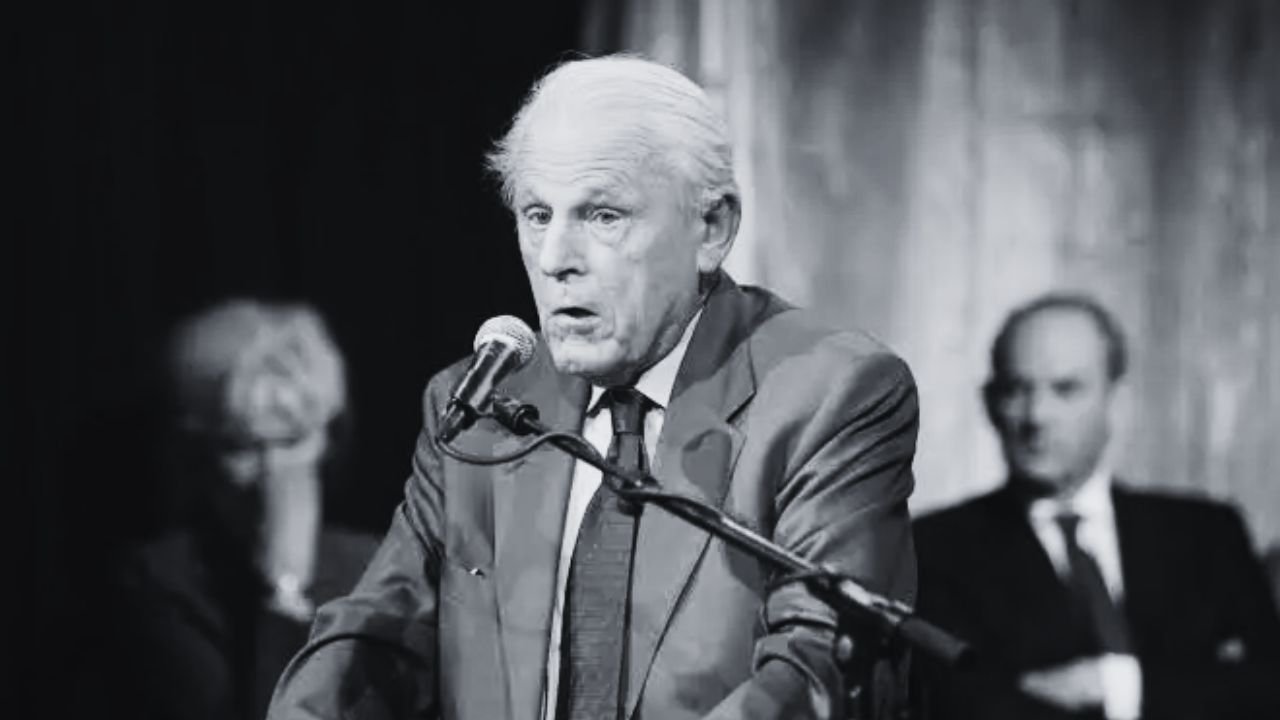
Johan van Gogh was born in Amsterdam in 1922. He died on February 21, 2019, at the age of 96. According to The Art Newspaper, which published an obituary describing his “astonishing life,” Johan was a Dutch civil servant and intelligence official.
He was not an artist. He was not a museum director in the traditional sense. His significance was rooted in three areas: his family connection to Vincent van Gogh, his professional career in Dutch intelligence, and his institutional role in preserving the Van Gogh family legacy.
If you have come across his name in a family tree or genealogy database, it is almost certainly because of his direct link to the Van Gogh family line — a line that traces straight back to Vincent and his brother Theo.
His Place in the Van Gogh Family Tree
Johan was Vincent van Gogh’s great-nephew. It is worth being precise about this, because the Van Gogh family tree can get confusing fast — especially with repeated names across generations.
The generational line goes like this:
- Vincent van Gogh — the painter, died in 1890.
- Theo van Gogh — Vincent’s younger brother and art dealer, who supported Vincent financially and emotionally throughout his life.
- Vincent Willem van Gogh — Theo’s son, sometimes referred to in records as “the Engineer” to distinguish him from his famous great-uncle the painter.
- Johan van Gogh — Vincent Willem’s son, and therefore Vincent van Gogh’s great-nephew.
Johan’s mother was Josina Wibaut. His father, Vincent Willem, was the child Theo and his wife Johanna had together before Theo died in 1891, just months after Vincent.
One important name to keep straight: Johan himself had a son named Theo van Gogh. But this Theo — a Dutch filmmaker and public commentator who was born in 1957 and murdered in Amsterdam in 2004 — is an entirely different person from Vincent van Gogh’s brother Theo, the 19th-century art dealer. Same name, separated by more than a century.
The Van Gogh Collection and How It Reached a Museum
To understand why Johan’s life matters beyond his own biography, it helps to know how Vincent van Gogh’s collection survived at all.
When Vincent died in July 1890, his brother Theo inherited a large body of work — hundreds of paintings, drawings, and letters. But Theo died just six months later, in January 1891. That left everything in the hands of Theo’s widow, Johanna van Gogh-Bonger.
Johanna moved to Bussum, a town near Amsterdam, taking the collection with her and raising her young son Vincent Willem. She was determined to protect the work and ensure the world knew about Vincent’s talent. She worked to promote his paintings and edited his correspondence, turning a largely unrecognized body of work into something the art world could no longer ignore.
The collection eventually passed to Vincent Willem — Johan’s father — who continued managing the family’s connection to it. Over time, arrangements were made to transfer the works to the Dutch state, which became the foundation for what is today the Van Gogh Museum in Amsterdam.
Johan grew up within this family inheritance. He was not the man who founded the museum himself, but he was directly connected to the family line that made the museum possible. And later in life, he took on a formal role in that story.
Johan’s Role with the Van Gogh Foundation
According to The Art Newspaper, Johan served as president of the Van Gogh Foundation from 1984 to 1995. The foundation played a role in the stewardship of the Van Gogh legacy and the collection connected to Vincent’s name.
This was not a ceremonial role. It was a real institutional position, and it placed Johan at the center of decisions about how his family’s artistic heritage was managed and represented during that period.
He was, in a very real sense, a bridge — between the original Van Gogh family circle of the 19th century and the modern institutions that carry that legacy forward today.
Johan’s Career in Dutch Intelligence
Separate from his family connections, Johan had a professional career that would stand on its own in any biography. He worked for the Dutch secret service, then known as the BVD (Binnenlandse Veiligheidsdienst), which later evolved into what is now the AIVD — the General Intelligence and Security Service of the Netherlands.
This is part of why The Art Newspaper described his life as “astonishing.” It is not every day that someone with direct ties to one of history’s most celebrated painters also spends their professional years working in national intelligence.
Detailed information about Johan’s specific work within the BVD is not widely documented in public sources, which is not unusual for careers in intelligence services. What is confirmed is that this was his primary profession, running alongside — not instead of — his family ties to the Van Gogh legacy.
A Family Touched by Tragedy
Johan’s later years were marked by the tragic death of his son. Theo van Gogh — the filmmaker and outspoken commentator — was murdered in Amsterdam on November 2, 2004. The killing drew intense international attention and brought renewed public focus to the Van Gogh family name.
Johan and his wife Anneke had supported their son through his career. The loss was a deeply personal one, and coverage at the time noted the family’s grief alongside the broader political and social debates that followed the killing.
It is worth mentioning this not as sensationalism, but as context. It is one of the reasons Johan’s name became more widely known to the public, even if he had lived a largely private life before that point.
Why Johan Appears in Genealogy Records?
If you found Johan’s name while searching Van Gogh family trees on sites like FamilySearch or AncientFaces, the reason is straightforward. He sits at a key point in the family line — three generations after Vincent van Gogh’s brother Theo, and one generation before filmmaker Theo van Gogh.
His parents, Vincent Willem van Gogh and Josina Wibaut, are listed in genealogy databases alongside Johan’s siblings and children. These records are useful for tracing the family line, though it is always worth cross-referencing them with more authoritative biographical or institutional sources when the details matter.
For anyone researching the Van Gogh family specifically, Johan acts as a useful anchor point. His confirmed dates (1922–2019), his parents, his professional life, and his son all help establish who is who in a family tree that can otherwise become difficult to follow.
If you enjoy reading about the families behind famous historical figures, GrowBusinessPoint covers a range of topics connecting history, legacy, and public life.
A Quiet but Meaningful Life
Johan van Gogh was not famous in the way his great-uncle was. He did not paint. He did not seek the spotlight. His name does not appear on any masterwork hanging in a museum gallery.
But he spent more than nine decades as a living link between one of art history’s greatest figures and the institutions that preserved that figure’s work. He served his country in one of its most secretive professional roles. He raised a family. He led a foundation. He carried a name that the world had already decided meant something.
When he died in February 2019 at the age of 96, the obituaries were brief but respectful. He had lived, by any measure, a full and layered life — one that deserves at least a clear account of who he was and why he mattered.
Read Also: